| |||||||||||||||
 | |||||||||||||||
| |||||||||||||||
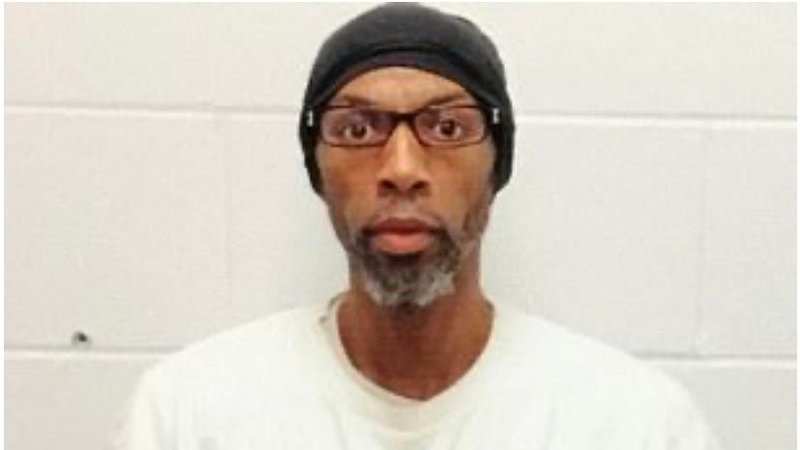
Dustin John Higgs is going to be executed for a crime he didn’t commit. He was accused of killing three girls but later to be found not guilty. All witnesses, including the man who actually killed the girls, confirm Dustin’s innocence. This innocent man should be spared. The only reason he’s still in jail is because they say he was at the scene of the crime and he was accused of bullying Willis Hayes (who did commit the crime) into killing the three girls. But even Willis Hayes has said that this is false. So please help me to free this innocent man. Don’t let what happened to Brandon Bernard happen again. Dustin is set to be executed on Martin Luther King Jr.’s birthday, January 15th. Help me stop this tragedy. Dustin Higgs #31133-037 Special Confinement Unit PO Box 33 Terre Haute, In 47808 Please! check out ...SaveDustinjHiggs.com | |||||||||||||||
| |||||||||||||||
| |||||||||||||||
| |||||||||||||||
| |||||||||||||||
|
Monday, January 4, 2021
Change.org - Innocent but sentenced to death



Confession is not a downer, but moves us forward
BIBLE EXPLORATIONS: PRACTICING RACIAL JUSTICE
Acknowledging sin is the first step toward walking in God’s way
By Chip Hardwick | Presbyterians Today

Katie Rodriguez/Unsplash
Most merciful God, we confess that we have sinned against you by what we have done, and by what we have left undone. We have not loved you with our whole heart or our neighbors as ourselves. We humbly repent. For the sake of your Son, Jesus Christ, have mercy on us; that we may delight in your will, and walk in your ways. Amen.
In this classic prayer of confession, we remember both the sins of commission (what we do) and the sins of omission (what we do not do), and we acknowledge that sins are both personal and corporate. Of course, when worship rolls around to the prayer of confession, it’s not unusual for pastors to hear, “I don’t come to church to feel bad about myself. Can’t we just skip the prayer of confession?”
In our Gospel text for Jan. 10, however, Mark tells us that “people from the whole Judean countryside and all the people of Jerusalem were going out to him [John the baptizer], and were baptized by him in the river Jordan, confessing their sins.” Jerusalem is about 20 miles away from the traditional site of Jesus’ baptism, while “the Judean countryside” could mean locales five times that distance away or more. They literally spent days traveling to be baptized by John. And part and parcel to their baptism was the confession of sins.
Confessing our sins is not meant to be a “downer.” Rather, it’s the first step we take in becoming a new creation in Christ. After confession, those who came to John were ready to enter into the waters of baptism. After confession, what would we be ready for?
Confession and racism
The theme of this year’s Bible Explorations column is “Practicing Racial Justice,” and I want now to explore how we who are white need to confess our sin of racism. To be honest, I’ve only been wrestling with this idea recently. Probably like you, I can’t really think of any specific acts that I have done that seem racist. I admire and love many people of color, and I don’t remember saying anything to them or about anyone who shares their background, at least not on purpose, at least not for decades. Most of us who read Presbyterians Today are probably in this same boat. Why would we confess our sins of racism if we can’t think of any bigoted acts we might have taken? Remember, though, that prayers of confession are corporate as well as personal.
It’s helpful to think about how our culture and society corporately are guilty of the sin of racism. For instance, could it be that one reason for the tragically high incidence of COVID-19 deaths among Blacks, Hispanics/Latinos and Indigenous people is a society that often prevents them from sharing the excellent medical care that whites typically receive? Could it be that Blacks’ wealth on average is one-tenth the amount of whites’ because of redlining and a GI Bill that prevented their grandparents from having access to the wealth-generating resources that whites enjoyed?
Probably none of us have made decisions that led to these specific racial injustices. We probably do not need to confess a sin of commission. Yet living in a culture stained by racism all too often deadens our desires to love our neighbors of color as ourselves.
Our faith in Christ is strengthened when we ask forgiveness for our sins of omission. As we repent, we learn to take steps to join the divine mission toward a more racially just society. We will mess up along the way — saying something wrong or failing to act. But when we confess, our most merciful God will forgive us so that we might delight in God’s will and walk in God’s way.
Mark 1:4–11 is a lectionary text for Jan. 10, Baptism of Our Lord Sunday.
Chip Hardwick is the transitional synod executive of the Synod of the Covenant.
Discussion Questions
- Can you identify ways that people of color face challenges in America that whites do not?
- How does it feel to think about sins of omission (what we do not do) as well as sins of commission (what we do)?
- How might you confess our corporate or national sins of racial injustice to God?
Saturday, January 2, 2021
Change.org - Junk mail
| |||||||||||||||
 | |||||||||||||||
| |||||||||||||||
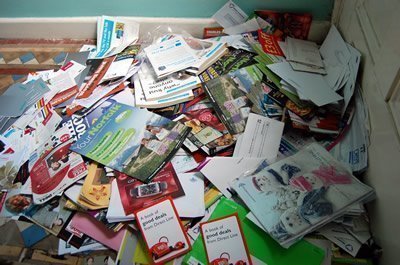
Unwanted junk mail threatens the environment! Junk mail produces more than 51 million tons of greenhouse gases per year - as much CO2 as 9 million cars! Junk mail is an incredible threat to our environment! The small value direct marketing offers is not worth the incredible harm done by junk mail. Trash is one of the largest problems facing the environment. Junk mail is the easiest to fix immediately! Data Not to mention all of the emissions related to the USPS driving their vehicles around toting garbage that literally 95% of the population doesn’t want arriving in their inbox.
| |||||||||||||||
| |||||||||||||||
| |||||||||||||||
| |||||||||||||||
| |||||||||||||||
|


Witness, Share and Evangelize: Its a New Year for Medical Missions Live | MBF

WCC NEWS: WCC condemns Yemen blast, offers prayers for Croatian earthquake, Norway landslide
|
|

|
|
|
Friday, January 1, 2021
Pound seizures
| |||||||||||||||
 | |||||||||||||||
| |||||||||||||||
Pound seizure is the legalized sale or seizure of shelter animals for the purpose of dissection, vivisection, or experimentation in research or education. Though seventeen states and the District of Columbia have banned pound seizure, Kentucky still allows municipalities and individual shelters to decide whether or not they will release animals to labs. Aside from subjecting animals to unspeakably inhumane conditions, the practice of pound seizure challenges the integrity of shelters and loses the trust of those surrendering animals. Rather than risk their pet being surrendered to a research facility, many people abandon their pets, leading those animals to face starvation and other threats to their survival. In addition to promoting increased rates of animal abandonment, pound seizure decreases shelters’ commitment to securing adoptions for the animals in their care. With a market already available for their animals, shelters are less likely to seek out adopters, especially when an animal meets the specific requirements for a particular lab or institution. In order to abolish pound seizure in the state of Kentucky, the practice must be outlawed and not left to the discretion of municipalities. Shelter animals are deserving of the same dignity one would pay to a favorite four-legged companion. No shelter animal is safe while pound seizure is in effect. | |||||||||||||||
| |||||||||||||||
| |||||||||||||||
| |||||||||||||||
| |||||||||||||||
|



The year ahead
 |
Adam Russell Taylor It is commonplace in a number of Christian traditions, including among Moravians, Baptists, Methodists, Anglicans and Pentecostals, to host a watchnight service on New Year’s Eve. In my African-American tradition, this night takes on an added significance as it originated and coincides with a celebration of the passage of the Emancipation Proclamation. These services are often filled with heartfelt testimony about what God has brought people through in the previous year — and with praise in hopeful anticipation for all that God will do in the year to come. As 2020 winds down, there is not nearly enough space to do justice to all of the testimonies about the extreme loss, hardship, grief, and trauma that we have individually and collectively endured this year. A few years ago, I stopped making New Year’s resolutions and replaced them with what I call New Year’s affirmations. Resolutions can often feel like weights that cause you to sink under pressure and expectation rather than a flotation device to lift you up to attain your hopes and aspirations. Building on what has worked for me personally, I want to share some affirmations for our nation and world, as well as for Sojourners' work and mission in 2021.
|


ADVERTISEMENT |
 |
Our Latest ‘Soul’ Takes Aim at a Culture of Nonstop Pursuit (by Juliet Vedral) Is being in constant pursuit how we’re meant to live? Poor People’s Campaign, Progressive Caucus Outline a ‘People’s Agenda’ (by Stephanie Russell-Kraft) “Everything here resonates with our deepest religious values to love our neighbors and lift from the bottom,” Barber said. How the Faithful Are Fighting COVID in Post-Hurricane Honduras (by Andrew J. Wight) Thanks to longstanding community connections, many faith-based NGOs are stepping up to provide COVID-aware disaster relief. Where Are the Light Bearers? (by E. Ethelbert Miller) My mother's favorite expression was "the longest day has an end." |
ADVERTISEMENT |
 |
From the Magazine Alone Together: Watching the Films of 2020 (by Abby Olcese) We may not be able to go to movie theaters, but films still provide an emotional gathering place. |
ADVERTISEMENTS |
Sojourners Year-End Gift Campaign We at Sojourners expanded all areas of our work this year - from our truth-telling journalism to our rapid-response advocacy. We have ambitious plans for 2021, and none of those plans are possible without the entire Sojourners community by our side. Interested in combining your faith and passion for social justice? Apply to Sojourners' yearlong fellowship program! The holistic program offers an entry-level position in our office and shared life in intentional Christian community. The program begins in August 2021. Application deadline is February 15, 2021. Apply now! |
Presbyterians for Earth Care - Arctic Adventures 🏔️ Webinar + Overture Webinar in Spanish + MORE!
SEPTEMBER WEBINAR Arctic Adventures: Encounters with Creation and Culture The Rev. Courtenay Willcox is the transitional pastor of Northampt...

-
 The World Council of Churches (WCC) and Canadian Council of Churches will host a webinar panel discussion, entitled “Counting the Ecological...
 -
 Three Ways We Can Respond Faithfully to Climate Change Caring for creation is more than a responsibility. It is a faithful act , inseparable...
 -
 View this email in your browser By Betsy Shirley Editor in Chief, Sojourners We’ve got an unofficial Mary Oliver fan club here at Sojourners...